Chardonnay is so often divisive. It’s one of those grapes that elegantly splits a room, especially when it’s oaked. After all, it’s a common complaint that the sort of buttery, nutty notes that wood offers to a wine can become overwhelming, smothering everything else. Even unoaked, some still say that it’s flabby and inelegant, lacking the finesse and racey acidity of, say, a New Zealand Sauvignon blanc.
Not so here. With their blend of two vintages, Taylors manage to conjour up a wonderful complexity with their Chardonnay. This is a cracking effort from one of Clare Valley’s leading producers.
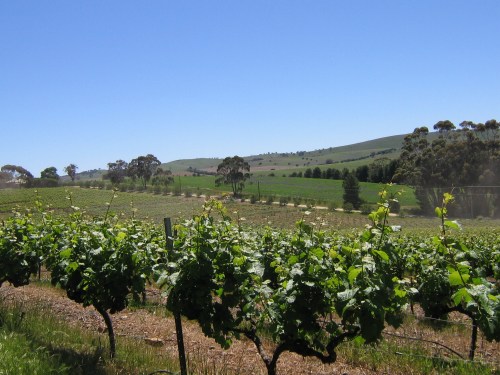
The region, a real standout among Australia’s winemaking centres, has long been known for its Chardonnay production. Standing out here is an achievement. The maritime climate, mixed with the rolling and sheltered environment of the hills, results in the sort of growing conditions more often expected in the Mediterranean.
This allows Taylors to create really polished, almost Pays d’Oc-style Chardonnay, while dialing up the classic, oaked hallmarks of punchy Australian winemaking. Bold, but calculated.
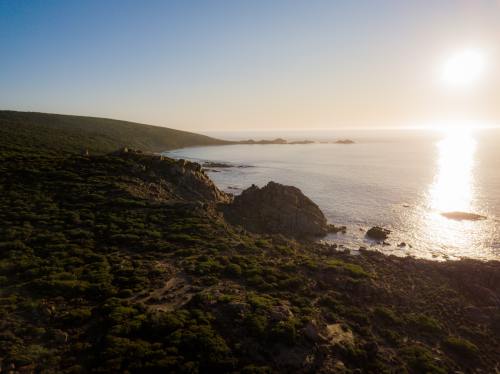
The calculation continues in the winemaking. What is curious about Taylors’ ‘Jaraman’ range is that it brings together grapes hailing from vast distances across the country. Their Chardonnay combines both the Clare Valley and Margaret River regions into one. These regions, the former on South Australia’s coast and the latter on the Western seaboard, are married together by their pseudo-Mediterrean, coastal climes. The result is gorgeous.
Available in the UK at around £20 right now, it is a fairly serious bottle. Is it worth that? Given that the small production from Western Oz’s Margaret Valley makes up over 20% of Australia’s prize-winning production, and its stated purpose here is to showcase the sea-rich crops coming from two different sides of the country, perhaps so.
In the glass, it’s bright and golden, with an immediately obvious thickness. No wonder: at 13.5% ABV, this is no shrinking violet. Still, that’s no bad thing. Their choice to leave the wine at these sorts of alcohol levels means the nose is powerful, bursting with vanilla cream pastries and tree fruits – apples, pears, peaches. Sorry, oaked Chard naysayers. But hold on a second before you reach for the Sauvignon blanc.
On the palette, it’s definitely not as cloying as the nose suggests. There’s a freshness behind that wall of fruity patisserie. Sure, it’s leaning towards an off-dry finish with all of its peach and pear notes, but there is a lovely, quince-like aromatic flavour that really lingers. It provide so much structure, from first to last moments, building alongside an apple-seed minerality and a pear-juice softness.
Pairing this with tropical or nutty flavours would work very well. Pinoy treats like pickled pineapple relish or rich Sri Lankan coconut curries would be a great choice. It’s very versatile, but you do want to leave space for its complex minerality to cut through and reveal itself. Think fruit, think coast, and you’ll find a great combination.
What Taylors are trying to show is that Chardonnay doesn’t have to be an undrinkable, dull mess, drowning in vanilla and nothing else. It can be vibrant, saline and tropical, taking you on a journey along the coast. They have succeeded in creating a wine that shows off Australia’s maritime winemaking, and all its strengths.
 VINOMATIC
Leave a comment