Ah, Portugal, with its trams, sardines and the world’s oldest military alliance. Now, perhaps, we should add something else to the list: Portugal (whisper it) has got Europe’s best-value weekday wines.

It’s a shame that Portugal has been regarded as the destination for a slightly scrappier, cheaper, rustic alternative to Spanish vino. Let’s put down the Rioja for just a minute. Hear me out.
Criticisms of Portuguese wine tend to stem from the fact that, until recently, it’s not been marketed well. Producers are using many, many local varietals, and that’s great – it gives character to their wines, really showing off the striking qualities of Portugal’s regions and specialities.
Yet most of the time, it is Spain’s wines and grape varieties that are better understood, since they tend to stick to a common name for each grape. After all, people might have heard of Tempranillo – but what about Tinta Roriz or Aragonez? (Fun fact: they’re all the same. And that’s not even the full list of synonyms.) With over 250 indigenous varieties of grape, it gets a bit confusing if each of them have a dozen alter-egos.
That being said, there are three reasons why Spain, and plenty of other countries besides, are getting a run for their money now. First, Portuguese wine really benefits from a mix of climates, which the maritime nation has paired with a unique winemaking culture.
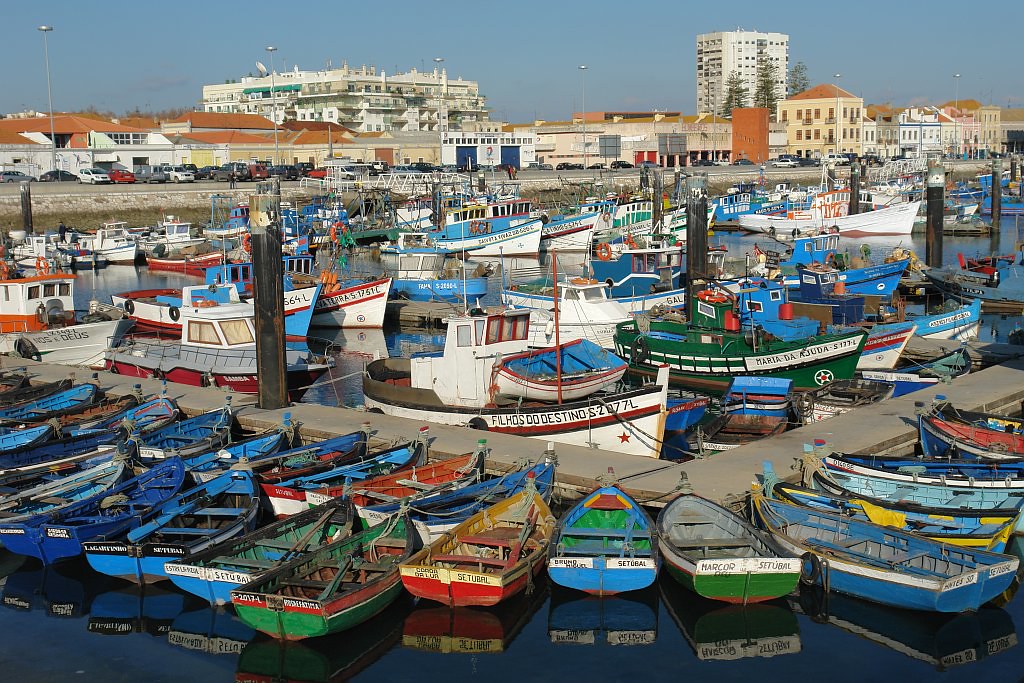
A great way to look at this is to consider how Portugal’s greatest wines vary geographically. So much of Portuguese life is lived around the coast, and indeed, a great deal of their wines are also produced in proximity to the sea.
The Algarve to the far south and Minho to the north, along with Setúbal and Lisboa on Portugal’s western shores, all enjoy a coastal winemaking climate, where the standout product is an aromatic, zippy sort of white wine with plenty of citrus peel and almond complexity (think Alvarinho).
Further inland, where large rivers water the vineyards, a mixture of chalky and clay-based dry soils wring every last ounce of flavour and fruit from the crop, generating complex, brooding red wines in the Dão and Douro areas. (Here’s a full primer from the Wine Society’s Jo Locke MW, if you’re really curious.)

The perfect example of how this affects the end product is found when you contrast the light, crisp white wines of Portugal’s northern coastline, with the powerful inland reds.
Around the coasts of the northerly Minho region, fresh and grassy vinho verde (young wine) is produced by thousands of small producers in a warm, wet and windy conditions that help the grapes – again, ultra-local varieties – mature early.
Meanwhile, the brutally hot summers and tough soils take advantage of Portugal’s low-yield varietals like Touriga Nacional, to create concentrated, forceful and fruity finished products that don’t need an age in oak to come alive.
That’s why we’re talking about Porta 6 from Vidigal Wineries. It’s a great display of availability, craft and price, making it the ultimate introduction to Portuguese wine. It’s an accessible experience, blended from only local varietals to really showcase everything that Portugal’s terroir can throw at us.
In this case, the previously mentioned old reliable, Tinta Roriz, makes up 50%. Touriga Nacional (10%) is added for aromatic intrigue and Castelão (40%) bulks out for freshness.
Portugal’s producers have committed to preserving a stunning array of local grapes and unique winemaking styles, to everyone’s benefit, and at every price-point.
As regional grapes go, these are great to get to know, given the real quality they produce for the price. And better still, this doesn’t need to be saved for birthdays or weddings. It’s not complicated. It’s just…really drinkable.
Every effort has gone into making this direct and bold, full of deep fruit flavours and an unexpected, bright note of acidity to keep things lively. If anything, this is reminiscent of a port blend. There is definitely that note of baking spices and blackberry you’d expect from a classic bottle of the fortified stuff (thanks to the Touriga Nacional).
But Porta 6 is zippier, with a great balance of cigar-box scents (think herbs and woody notes), blackberry flavours and a light texture in the mouth, lacking the oppressive alcohol content that one might worry about in a big Portuguese red.
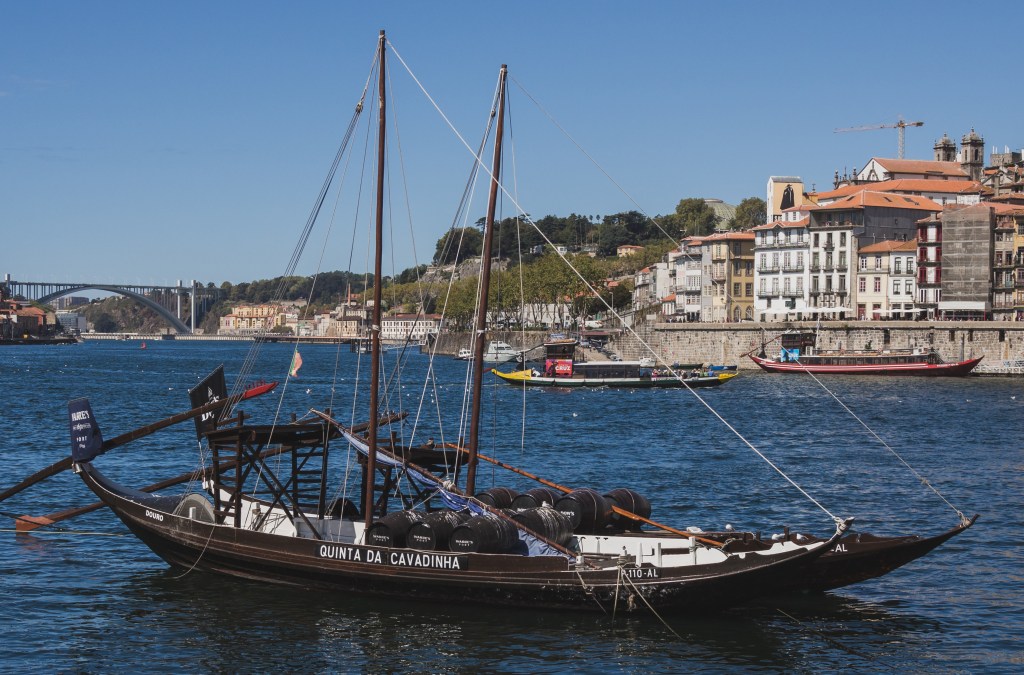
It’s good on its own, but stands up to a smorgasbord of foods – from tomato-rich stews and curries to pungent, aromatic Chinese dishes. Anything that can play nicely with powerful fruit flavours will work here. Even celebrity chefs rate it.
It’s been popping up in supermarkets all over the world – from where this author is writing, it’s available between £5 to £7.50 in Sainsbury’s, Majestic and a whole host of other major UK stores.
The takeaway is this: Portuguese viticulture has been steadily building its own identity, avoiding a tendency towards over-oaked and underwhelming wine that has long plagued Spanish exports. Portugal’s producers have committed to preserving a stunning array of local grapes and unique winemaking styles, to everyone’s benefit, and at every price-point.
All this means that, for both price and quality, Spain now has a real competitor over the border. So, one question remains. Are you sure you want that Rioja?


Leave a Reply